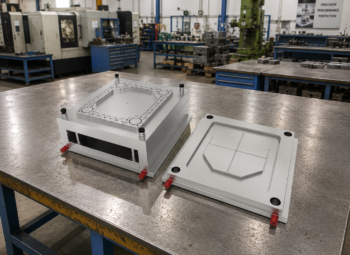


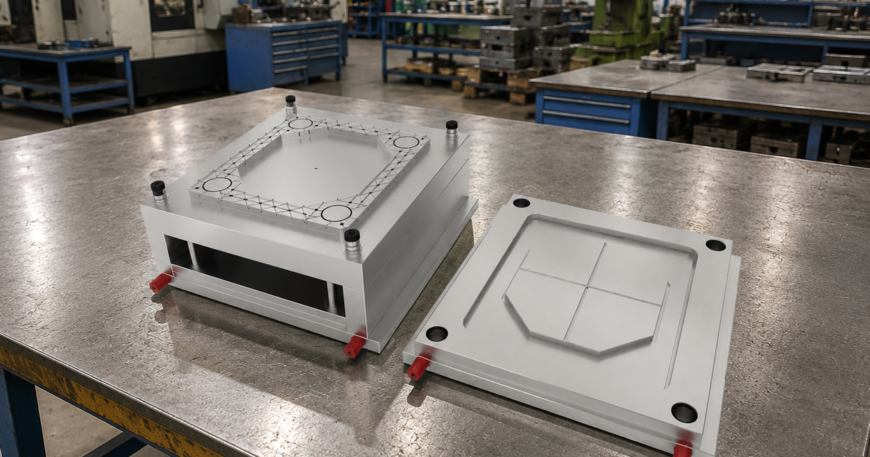
Plastic injection moulding is one of the most widely used manufacturing processes in the world. It enables manufacturers to produce high volumes of precise, durable, and cost-effective plastic components with excellent repeatability. From automotive parts and medical devices to consumer electronics and packaging, plastic injection moulds play an essential role in products used every day.
But which industries depend most on plastic injection moulds? The answer includes almost every major manufacturing sector. The combination of design flexibility, production speed, dimensional accuracy, and scalability makes injection moulding suitable for both simple components and highly engineered products.
In this article, we explore the top industries that rely on plastic injection moulds and explain why injection moulding is so important to each sector.
What Is Plastic Injection Moulding?
Plastic injection moulding is a manufacturing process in which plastic pellets are heated until molten and then injected into a mould cavity under controlled pressure. The material cools and solidifies into the desired shape before the finished component is ejected.
The mould determines the product’s shape, dimensions, surface finish, and many of its functional features.
A well-designed injection mould can produce thousands or even millions of identical components, making the process particularly valuable for high-volume manufacturing.
Key advantages include:
- High production speed
- Excellent repeatability
- Complex design capabilities
- Low per-unit costs at high volumes
- Wide material selection
- Consistent product quality
- Minimal material waste
- Compatibility with automation
These benefits explain why injection moulding has become a critical technology across numerous industries.
Automotive Industry
The automotive industry is one of the largest users of plastic injection moulds.
Modern vehicles contain a wide variety of plastic components, including interior, exterior, electrical, and under-the-hood parts.
Common injection-moulded automotive components include:
- Dashboard components
- Door handles
- Instrument panels
- Air vents
- Switch housings
- Bumpers and trim components
- Grilles
- Clips and fasteners
- Electrical connectors
- Battery-related components
Plastic helps automobile manufacturers reduce vehicle weight while maintaining the required strength, durability, and design flexibility.
Injection moulding also allows manufacturers to integrate multiple features into a single component, potentially reducing assembly requirements and production costs.
Medical and Healthcare Industry
Medical manufacturing requires exceptional precision, consistency, and reliability. Plastic injection moulding is widely used to produce components for medical and healthcare applications.
Examples include:
- Syringe components
- Diagnostic equipment housings
- Medical device components
- Laboratory consumables
- Sample containers
- Surgical instrument components
- Drug-delivery device parts
- Medical connectors
Medical moulds often require tight tolerances and carefully controlled manufacturing processes. Depending on the application, manufacturers may also require specialized materials, clean manufacturing environments, and stringent quality-control procedures.
Because injection moulding can produce highly repeatable components, it is particularly valuable for disposable and high-volume medical products.
Consumer Electronics
The consumer electronics industry relies heavily on injection-moulded plastic housings and precision components.
Smartphones, computers, televisions, appliances, chargers, headphones, cameras, and other electronic products contain numerous plastic parts.
Typical applications include:
- Electronic device housings
- Switches and buttons
- Connectors
- Battery compartments
- Cable management components
- Remote-control housings
- Internal structural parts
- Protective covers
Consumer electronics manufacturers often require excellent surface finishes because product appearance has a direct impact on customer perception.
Injection moulding makes it possible to create thin walls, detailed textures, branding elements, and precise openings for buttons, screens, ports, and connectors.
Packaging Industry
Packaging is another major application of plastic injection moulding.
Manufacturers use injection moulding to produce caps, closures, containers, dispensers, and other packaging components.
Examples include:
- Bottle caps
- Cosmetic containers
- Food packaging components
- Pharmaceutical packaging
- Personal-care packaging
- Industrial containers
- Dispensing systems
Packaging production typically involves extremely high volumes. Therefore, mould durability, cycle time, cavity count, and automation are important considerations.
Multi-cavity injection moulds can produce numerous components in a single cycle, helping manufacturers meet large-scale demand efficiently.
Household Products
Many everyday household products are produced using plastic injection moulding.
These products range from kitchen equipment to storage solutions and cleaning accessories.
Common examples include:
- Storage containers
- Kitchen utensils
- Buckets
- Hangers
- Furniture components
- Appliance parts
- Handles
- Bathroom accessories
- Cleaning-product components
The ability to produce attractive shapes at relatively low unit costs makes injection moulding ideal for mass-market household products.
Manufacturers can also select different plastic materials, colours, textures, and finishes according to the product’s intended use.
Electrical and Electrical Equipment Industry
Electrical products require components that provide mechanical protection, insulation, and reliable assembly.
Injection moulding is widely used to manufacture:
- Switch housings
- Plug components
- Electrical connectors
- Terminal blocks
- Cable management parts
- Circuit-protection housings
- Insulating components
- Electrical enclosures
Engineering plastics can provide useful electrical insulation and resistance to heat, chemicals, and mechanical stress.
Precision moulding is especially important for components that must connect or fit together accurately.
Consumer Goods and Lifestyle Products
The consumer-goods sector includes a huge range of plastic products.
Injection moulding allows brands to manufacture products with distinctive shapes, colours, textures, and ergonomic features.
Applications can include:
- Personal-care accessories
- Toys
- Sports equipment components
- Stationery
- Travel accessories
- Product handles
- Small household goods
- Promotional products
For consumer brands, mould design can be an important part of product development because a unique mould can help create a distinctive product appearance.
Industrial Equipment and Machinery
Industrial manufacturers also depend on injection moulding for components used in machinery and equipment.
These can include:
- Protective covers
- Handles
- Gears
- Bushings
- Machine housings
- Protective guards
- Connectors
- Mounting components
- Control-panel components
Engineering-grade plastics can provide a useful combination of strength, dimensional stability, chemical resistance, and low weight.
Injection moulding can also help manufacturers consolidate several features into one component, simplifying assembly.
Telecommunications and Networking
Telecommunication infrastructure and networking equipment use numerous precision plastic components.
Examples include:
- Router housings
- Modem enclosures
- Connector bodies
- Cable-management components
- Fibre-optic components
- Communication equipment housings
These applications often require precise dimensions because connectors and electronic components must align correctly.
Good mould design is essential for maintaining consistent dimensions across high-volume production.
Agriculture and Irrigation
Agricultural equipment is another important application for injection moulding.
Plastic components can be found in irrigation systems, agricultural machinery, water-management equipment, and greenhouse systems.
Common examples include:
- Irrigation fittings
- Connectors
- Sprinkler components
- Pipe fittings
- Equipment housings
- Clips and supports
- Small machinery components
Plastic offers advantages such as corrosion resistance, low weight, and relatively economical mass production.
Construction and Building Products
The construction sector uses injection-moulded plastic components in various applications.
Examples include:
- Pipe fittings
- Electrical boxes
- Fasteners
- Spacers
- Protective covers
- Plumbing components
- Installation accessories
Products used in construction need to provide reliable performance over long periods. Material selection and mould quality are therefore important factors.
Aerospace and Defence Applications
Although aerospace applications often have extremely demanding specifications, specialized plastic injection moulding is used for selected components.
Plastic components can offer weight reduction, electrical insulation, corrosion resistance, and design flexibility.
Potential applications include:
- Interior components
- Electrical housings
- Clips and fasteners
- Cable-management parts
- Equipment covers
- Lightweight structural components
Because requirements can be highly specialized, aerospace-related moulding generally requires careful material selection, precision tooling, quality assurance, and regulatory compliance.
Why Do So Many Industries Use Injection Moulding?
The popularity of injection moulding comes from its ability to combine speed, precision, repeatability, and scalability.
Once the mould has been developed and validated, manufacturers can produce large quantities of identical components efficiently. Complex geometries can often be produced in a single moulding cycle, reducing the need for additional machining or assembly.
Injection moulding also supports a broad range of thermoplastic materials, allowing manufacturers to select materials based on strength, flexibility, temperature resistance, chemical resistance, appearance, or other performance requirements.
Frequently Asked Questions
Which industry uses plastic injection moulding the most?
Automotive, packaging, consumer products, electronics, and healthcare are among the major industries that rely heavily on plastic injection moulding. The exact demand varies by region, product category, and production volume.
Why is injection moulding popular in automotive manufacturing?
It enables manufacturers to produce lightweight, complex, durable, and repeatable plastic components at high volumes. It can also help reduce assembly complexity and vehicle weight.
Are plastic injection moulds suitable for medical products?
Yes. Injection moulding is widely used for many medical and healthcare components. However, medical applications may require specialized materials, tooling, manufacturing environments, validation, and quality-control processes depending on the product.
Is injection moulding suitable for small products?
Yes. Injection moulding is suitable for both small precision components and larger plastic parts. Mould design, machine selection, material properties, and production requirements determine the appropriate solution.
Can injection moulding support sustainable manufacturing?
It can. Efficient mould design can reduce material waste, optimize cycle times, and support consistent production. Recyclable materials and appropriate process controls can further contribute to more efficient manufacturing.
Conclusion
Plastic injection moulds are a fundamental part of modern manufacturing. Their applications extend far beyond basic plastic products, supporting critical industries such as automotive, healthcare, electronics, packaging, telecommunications, agriculture, construction, and industrial equipment.
The reason is clear: injection moulding provides manufacturers with a scalable way to produce accurate, consistent, and cost-effective plastic components.
For companies developing a new plastic product, choosing the right mould design and manufacturing partner is essential. Factors such as product geometry, material, production volume, dimensional tolerances, surface finish, expected mould life, and automation requirements should all be considered before tooling begins.
Whether you are producing thousands of household products or millions of precision components, a well-engineered plastic injection mould can have a direct impact on product quality, manufacturing efficiency, and long-term production costs.
As industries continue to demand lighter, smarter, more durable, and more cost-effective products, plastic injection moulding will remain an important manufacturing technology across global markets, including India’s rapidly expanding manufacturing sector.